Initializing

Shahid Smriti Govt. College
Knowledge for enlightenment.
A Legacy Built Over Time
Tracing our roots and the foundation of excellence.
Shahid Smriti Government College is a historic public institution of higher education in Muktagacha Upazila of Mymensingh District, Bangladesh. The college was founded in 1967, at a time when Muktagacha had no local institution for higher education and students had to seek study opportunities elsewhere. It began as Muktagacha College through the initiative, financial support, and cooperation of local political leaders, educationists, businesspeople, social workers, and residents. Following Bangladesh’s Liberation War, the institution was renamed Shahid Smriti College in 1972 in memory of its students and other freedom fighters who sacrificed their lives for the country. The Government of Bangladesh nationalized the college in 1980, giving it its present name. Since then, the college has served as a major centre of higher secondary, degree, honours, and postgraduate education for Muktagacha and neighbouring communities.
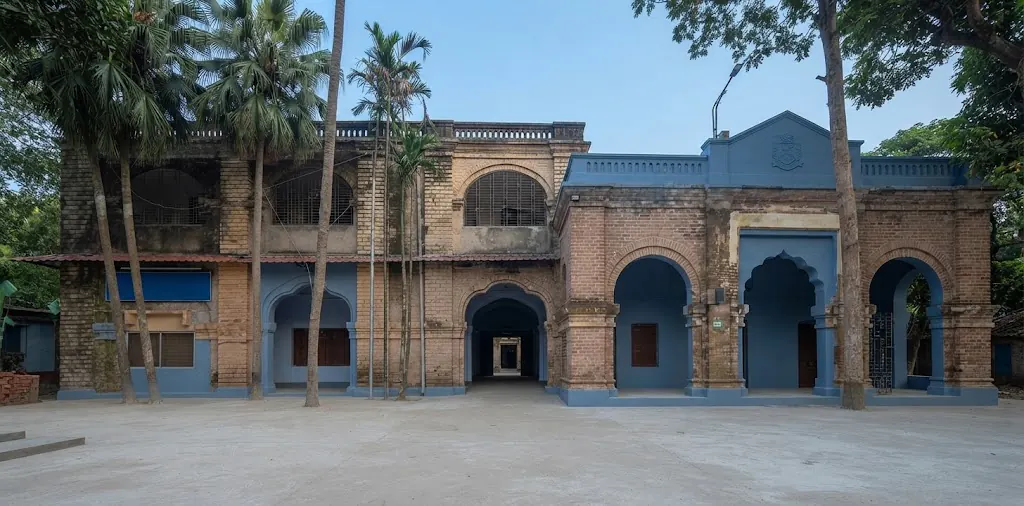
The demand for a college in Muktagacha gained strong public support during the early 1960s, when no institution in the upazila offered higher education. To turn this demand into reality, a 31-member convening committee was formed in 1967 at the Muktagacha Municipal Community Hall, now known as the Muktagacha Municipal Library. Keramat Ali Talukdar, then Secretary of the Pakistan Parliament, served as convener. With financial support from local residents, the college began its activities in 1967 in an abandoned residence of Maharaja Suryakanta Acharya Chowdhury and was initially named Muktagacha College. Professor Md. Abul Bashar served as the first principal. Benefactors also assisted the institution’s growth; notably, Chintaharan Saha donated 4.43 acres of land at Kajalkona Union in 1974. These contributions helped establish the physical and academic foundations of the college.
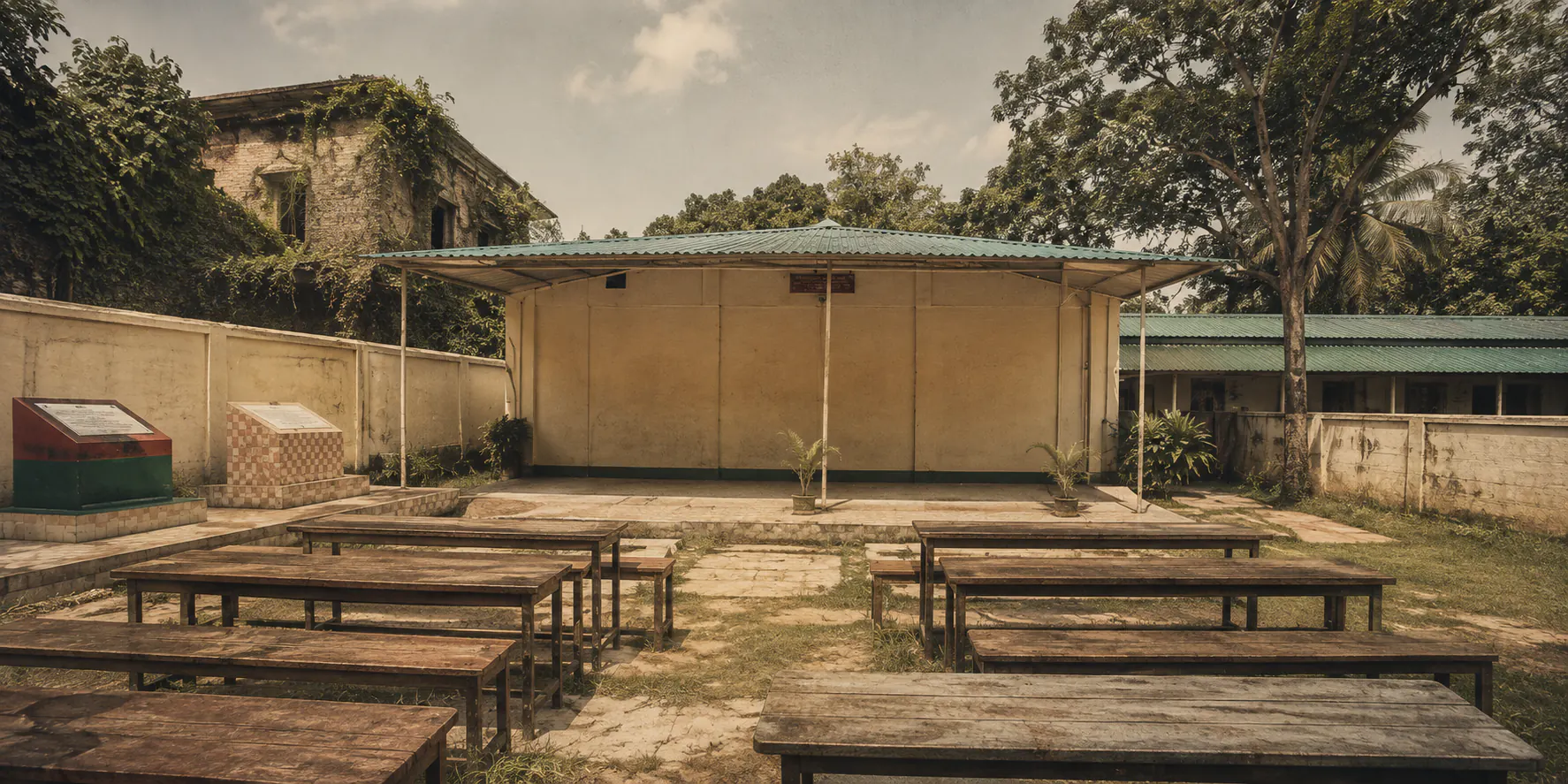
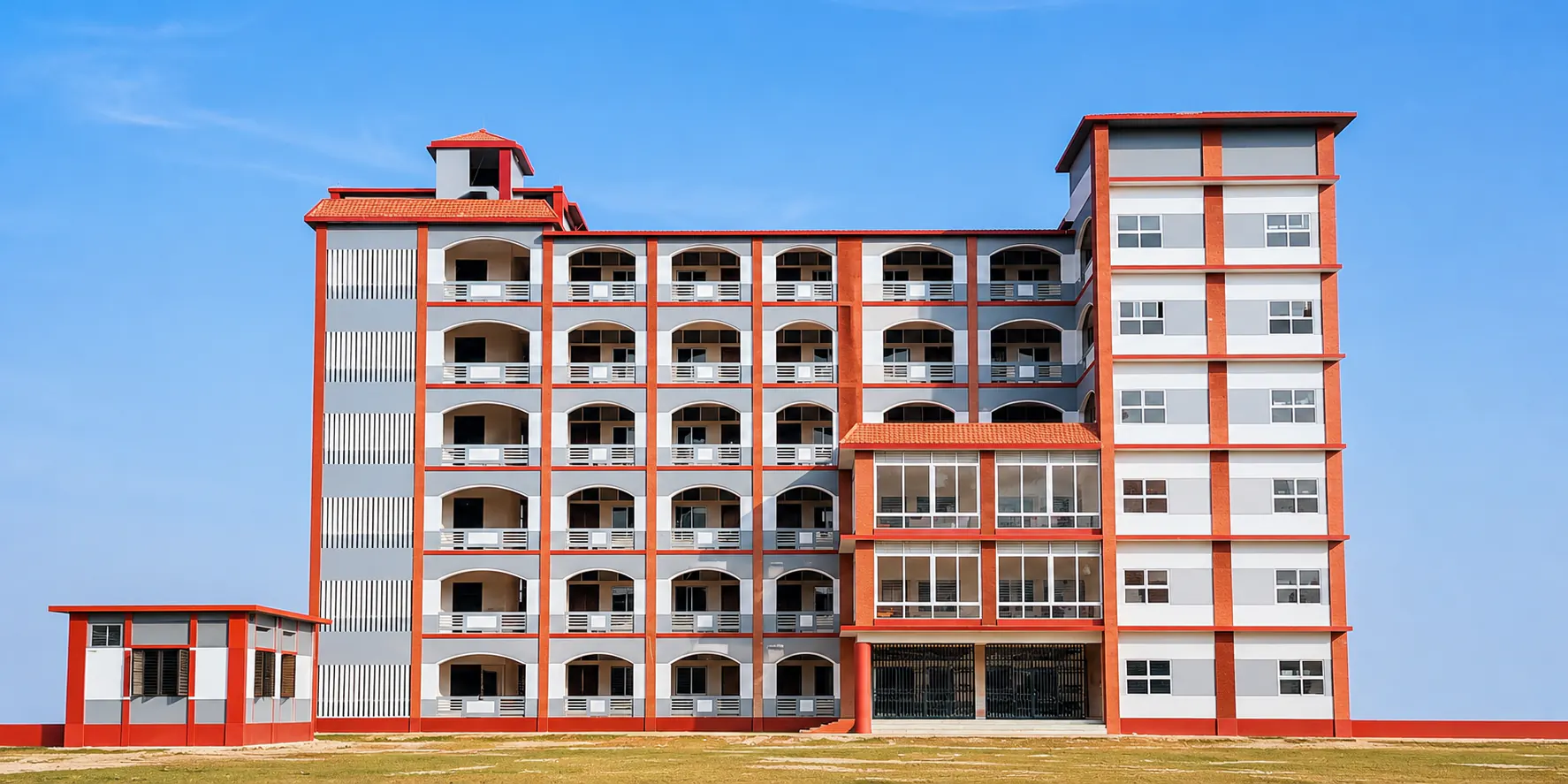
The college’s identity is deeply connected with the Liberation War of 1971, when students of Muktagacha College actively participated in the freedom struggle and several were martyred. In 1972, the governing body’s ad hoc committee adopted the name Shahid Smriti College to honour those martyrs and all fallen freedom fighters. Nationalization in 1980 strengthened its public role and secured the present name, Shahid Smriti Government College. The institution first built its reputation through higher secondary and degree-pass education, then expanded to meet local demand for advanced study. From the 2010–2011 academic year, honours courses were introduced in Bangla, English, Political Science, Social Work, Economics, Accounting, and Management. Masters Final courses in Bangla, Political Science, and Management began in 2017–2018. The college continues to develop through laboratories, library services, digital-campus facilities, multimedia classrooms, smart boards, Wi-Fi, CCTV, and a six-storey academic building.
Milestones of Excellence
Celebrating our journey from humble beginnings to becoming a leading educational institution, each milestone has contributed to our vision of providing transformative education.

The college’s early development was disrupted by the Liberation War, reflecting the difficult circumstances of the period.
Shahid Smriti Government College was established in Muktagacha, Mymensingh, to expand higher education opportunities for local students.
The college was nationalized, strengthening its public administration, academic structure and access to affordable education.
Stories of Excellence
Our community’s achievements that inspire generations.

Our alumni have gone on to excel in diverse fields, from business and technology to arts and community service. They lead with purpose, contributing meaningfully to their industries and societies.

Our students consistently set benchmarks in academic excellence, earning top honors and awards in national and international competitions.

Through various outreach programs and initiatives, our students and faculty have made lasting contributions to the community, fostering growth and positive change.